
There are many applications of integrals, out of which some are mentioned below:
In Maths
In Physics
Integrals are used to calculate


Torque is the measure of the force that can cause an object to rotate about an axis. Force is what causes an object to accelerate in linear kinematics. Similarly, torque is what causes an angular acceleration. Hence, torque can be defined as the rotational equivalent of linear force.
Torque can be either static or dynamic. Static torque is a torque that does not produce an angular acceleration. A few examples of static torque are as follows:
• A person pushing a closed-door is applying a static torque because the door isn’t rotating despite the force applied.
• Pedalling a cycle at a constant speed is also an example of static torque as there is no acceleration.
The drive shaft in a racing car accelerating from the start line exhibits dynamic torque because it must be producing an angular acceleration of the wheels, given that the car is accelerating along the track.

T The moment of a force about an arbitrary moment center "O" can also be described by the vector equation
 |
 is the position vector measured from the moment center to any point along the line of action of the force vector
  . The directional sense of the moment is found by first aligning the position and the force vectors tail to tail, then curling the four fingers of the right hand from to with the thumb pointing in the direction of the moment vector. The axis of the moment vector
  passes through the moment center and is perpendicular to the plane containing and . The magnitude of moment is measured in units of force times length (e.g., lb·in or N·m).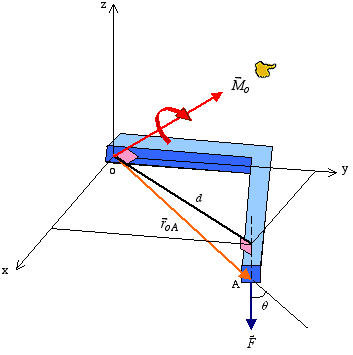
Vectors and scalars are mathematical representations of physical values used in calculations. There are two sorts of physical quantities: scalar quantities and vector quantities. The computation is easier to understand when the values are expressed in scalar or vector form. Learn how to recognize vector and scalar values and the principles of mathematical operations that apply to them, unit vectors, vector resolution, rectangular components, and the analytical method. Using examples, we will also detail parallelogram and triangular law in detail.
When it comes to scalar and vector products, there is just a magnitude and no direction associated with them. Consequently, it’s merely a number followed by an equal-valued unit of measurement. The length and mass variables and the speed and time variables are scalar variables. There is no direction in scalar variables. A scalar quantity does not need to be applied in a certain direction; its value will remain the same regardless of how it is applied.
The value of the scalar will stay constant regardless of which direction it is seen from. Because of this change, every scalar is addressed by a one-layered boundary. Because there is no relationship between a scalar quantity and the direction in which it changes, each change in it signifies just a variation in magnitude. Consequently,
Scalar values, often known as vector quantities, may be computed using the notions of fundamental algebraic equations. Scalar operations include adding, subtracting, and multiplying scalars, analogous to integer operations. It’s worth noting, however, that you may deal with scalar numbers while keeping the same measurement unit as the vector values. The dot product is a scalar number representing two scalar values at a single location.
A vector quantity has a proportionate magnitude to the unit and a direction that is unique to the unit. A vector quantity must be defined or declared so that the vector quantity’s direction of action and its value or magnitude are both described or expressed.
The magnitude of a vector quantity determines its absolute worth, while the bearing of a vector amount, like the west, east, north, etc, determines its direction. We may express vector values in multiple dimensions depending on the parameter, such as a single, two-dimensional, or three-dimensional. Any change in the vector quantity might be due to a shift in magnitude, a movement in a direction, or a combination of the two.
The sine or cosine of neighbouring points might be utilised as a beginning stage for settling vector values (vector resolution). According to the triangle rule of addition, a vector quantity is always added to another vector quantity. The cross product of two quantities is defined as the vector product of two quantities, and the vector product of two quantities is defined as the vector product of two quantities.
The following are some of the qualities of vectors:
Both scalar and vector products are techniques for multiplying vectors, and they are discussed further below. When two vectors are multiplied, a scalar is created, which may be generated by moving a portion of one vector in the opposite direction and multiplying it by the magnitude of the other vector.
If the angle is more than 90 𝆩but less than or equal to 180°, as in the case of the numbers 900 and 1800, the dot product is negative.
The direction of the vector product of two vectors is perpendicular to the directions of both vectors. As illustrated in the picture below, the cross product of two vectors, X and Y, is situated on a plane perpendicular to the plane that includes X and Y. The formula for computing the magnitude of the vector product is as follows:
In this topic, scalar and vector product, To get the scalar product of two vectors, multiply the first vector’s modulus by the second vector’s modulus, then multiply that result by the cosine of the angle between the two vectors. The scalar product is the product of the magnitude of the first vector and the projection of the first vector on the second vector. Scalar product formula for a and b is as a.b = |a| |b| cosθ.
காஸ், கும்மர் மற்றும் மிகைப்பெருக்கத் தொடர்களுக்கான விளைவுகளை தனி ஒரு ஆளாக இருந்து கண்டுபிடித்தவர், ஸ்ரீநிவாச இராமானுஜன். மிகைப்பெருக்கத் தொடரின் பகுதி தொகைகளையும், பொருட்களையும் ஆய்வு செய்வதில் அவர் காட்டிய ஆர்வமே அவருடைய பெரும்வளர்ச்சிக்கு வழிவகுத்தது. இவர் குறுகிய காலங்களிலேயே, (அதாவது 1914ஆம் ஆண்டு முதல் 1918ஆம் ஆண்டு வரை) 3000க்கும் அதிகமான புதுக் கணிதத் தேற்றங்களைக் கண்டுபிடித்தார்.
பிறப்பு: டிசம்பர் 22, 1887
பிறப்பிடம்: ஈரோடு, தமிழ்நாடு, இந்தியா
இறப்பு: ஏப்ரல் 26, 1920
பணி: கணித மேதை, பேராசிரியர்
நாட்டுரிமை: இந்தியா
இராமானுசன் அவர்களுக்கு கணிதத்தில் மிகுதியான ஆர்வமும், தனிச்சிறப்பு தன்மையும் இருந்தது. அவர் 20 ஆம் நூற்றாண்டின் உலகத்தை வியக்கச் செய்த ஒப்பரிய பெரும் கணித மேதையாக திகழ்ந்தார். இராமானுசன் அவர்களின் குறிப்பிடத்தக்க கணிதத் தேற்றங்களில் சில – ‘எண்களின் பகுப்பாய்வு கோட்பாடு’, ‘நீள்வளையச்சார்புகள்’, ‘தொடரும் பின்னங்கள்’, மற்றும் ‘முடிவிலா தொடர்’.
பிறப்பு
ஸ்ரீனிவாச ஐயங்கார் ராமானுஜன் அவர்கள் தமிழ்நாட்டிலுள்ள ஈரோடு மாவட்டத்தில் டிசம்பர் 22ஆம் தேதி, 1887ல் பிறந்தார். அவரது தந்தை கும்பகோணத்திலுள்ள ஒரு துணி வியாபாரியின் கடையில் குமாஸ்தாவாக பணியாற்றினார்.
ஆரம்ப வாழ்க்கையும், கல்வியும்
ராமானுஜன் அவர்கள் தனது ஐந்தாம் வயதில், கும்பகோணத்திலுள்ள ஆரம்ப பள்ளிக்குச் சென்றார். 1898ல், தனது 10 ஆம் வயதில், அவர் கும்பகோணத்திலுள்ள டவுன் உயர்நிலைப் பள்ளியில் சேர்ந்தார். தனது பதினொரு வயதில், அவர் தன் வீட்டில் குடியிருந்த இரண்டு கல்லூரி மாணவர்களிடமிருந்து எஸ்.எல்.லோனி அவர்கள் எழுதிய மேம்பட்ட கோணவியல் புத்தகத்தை வாங்கிப் படித்தார். அப்புத்தகத்தை, அவர் தன் பதிமூன்று வயதிலேயே முற்றும் கற்றுத் தேர்ச்சியடைந்தார். ராமானுஜன் அவர்கள், உயர்நிலை பள்ளியில் கல்வியில் சிறந்த மாணவனாக விளங்கி பல பரிசுகள் வென்றார்.
கணிதத்தின் மீது ராமானுஜருக்கு ஏற்பட்ட பற்று
தனது பதினாறு வயதில் அவர் பெற்ற “எ சினாப்சிஸ் ஆஃப் எலமெண்டரி ரிசல்ட்ஸ் இன் ப்யூர் அண்ட் அப்லைட் மாதேமேட்டிக்ஸ்” என்ற புத்தகமே அவருடைய வாழ்வில் ஒரு திருப்புமுனையாக இருந்தது. அப்புத்தகம் எளிதான ஆயிரக்கணக்கான கணித முடிவுகளின் ஒரு தொகுப்பாகும். இந்த புத்தகமே கணிதத்தின் மீது ராமானுஜன் அவர்கள் வைத்திருந்த ஆர்வத்தை இன்னும் மேம்படுத்தியது. அவர், அப்புத்தகத்தில் பல கணித முடிவுகளை ஆய்வு செய்து அப்பாற்பட்ட விளைவுகளை வெளிக்கொண்டு வந்தார். 1904ல், ராமானுஜன் அவர்கள் கணிதத்தில் ஆழ்ந்த ஆராய்ச்சியை மேற்கொண்டார். அவர், தொடர் (1/n)ஐ ஆய்வு செய்து, 15 தசம இடங்களுக்கு ஆய்லரின் மாறிலியைக் கணக்கிட்டார். பெர்னோலியின் எண்கள் அவரது சொந்த சுயாதீனமான கண்டுபிடிப்பாக இருந்தாலும், அதை அவர் தொடர்ந்து படிக்கத் தொடங்கினார். கும்பகோணம் அரசு கல்லூரி, அவருக்கு 1904 ஆம் ஆண்டில் உதவித்தொகை வழங்கியது. ஆனால், அவர் கணிதத்தின் மீது வைத்திருந்த பற்றால், மற்ற பாடங்களில் தேர்ச்சிப் பெறாமல் கல்லூரி தேர்வில் தோல்வியுற்றார். இதன் காரணமாக அவர் கல்லூரியில் இருந்து நீக்கப்பட்டார்.
நண்பர்களின் உதவியாலும், கணித கண்டுபிடிப்புகளை பூர்த்தி செய்தும், தனது கண்டுபிடிப்பகளுக்கு ஆதரவு கோரியும் அவர் தன் வாழ்கையை நடத்தினார். 1906ல், ராமானுஜன் அவர்கள் சென்னையிலுள்ள பச்சையப்பா கல்லூரியில் சேர்ந்தார். சென்னை பல்கலைக்கழகத்தில் சேர வேண்டுமென்ற ஆர்வம் அவருக்கு இருந்ததால், முதல் கலை தேர்வில் தேர்ச்சிப் பெற வேண்டுமென்ற நோக்கம் கொண்டிருந்தார். தனது கணித வேலையின் தொடர்ச்சியாக ராமானுஜன் அவர்கள் 1908ல் தொடரும் பின்னங்கள் மற்றும் மாறுபட்ட தொடரைப் படித்தார். இச்சூழ்நிலையில் அவரது உடல்நிலை குன்றி தீவிரமாக பாதிக்கப்பட்டதால், 1909ல் அவர் அறுவை சிகிச்சை மேற்கொண்டார். அதிலுருந்து மீண்டு வர அவருக்கு குறுகிய காலம் தேவைப்பட்டது.
இல்லற வாழ்க்கை
பத்து வயது பெண்னான எஸ்.ஜானகி அம்மாள் அவர்களை, ஜூலை மாதம் 14 ஆம் தேதி, 1909ல் ராமானுஜன் அவர்கள் திருமணம் செய்தார். இந்த காலத்தில் தனது முதல் படைப்பான ‘பதினேழு பக்க பெர்னோலியின் எண்களை’ வெளியிட்டார். இது 1911ல், ‘இந்திய கணித சங்கம்’ என்ற இதழில் வெளியானது.
ராமானுஜர் மேற்கொண்ட பணிகள்
1911ல் ராமானுஜன் அவர்கள், இந்திய கணித கழகத்தின் நிறுவனரை தனது வேலை ஆலோசனைக்காக அணுகினார். இந்திய கணித மேதை ராமச்சந்திர ராவ் உதவியதால், அவருக்கு சென்னை துறைமுகத்தில் குமாஸ்தா வேலை கிடைத்தது. சென்னை பொறியியல் கல்லூரியில் கட்டடப் பொறியியல் பேராசிரியராக இருந்த சி.எல்.டி. கிரிப்பித் என்பவர் ராமானுஜன் அவர்களின் திறமைகளில் ஆர்வம் கொண்டவராக இருந்தார். அவர் லண்டன் பல்கலைக்கழக கல்லூரியில் கல்வி கற்றதால், அங்குள்ள கணித பேராசிரியர், எம்.ஜே.எம். ஹில் என்பவரை அவருக்குத் தெரியும். அதனால், அவர் 1911ல் வெளியான ராமானுஜன் அவர்களின் பெர்னோலியின் எண்களின் சில நகலை நவம்பர் 12ஆம் தேதி, 1912 ஆம் ஆண்டு ஹில்லுக்கு அனுப்பி வைத்தார். ஹில் அவர்கள், அதை ஊக்குவிக்கும் வகையில், ராமானுஜத்தின் ‘வேறுபட்ட தொடர் முடிவுகள் (Results On Divergent Series) புரிந்து கொள்ளும் அளவிற்கு இல்லை’ என்று பதிலளித்தார். 1910ல் வெளியான ராமானுஜன் அவர்களின் ‘முடிவிலியின் வகைமுறை’ (Orders Of Infinity ) புத்தகத்தின் நகலை, ஜி.ஹெச். ஹார்டி என்பவருக்கு ராமானுஜர் அனுப்பி வைத்தார். ராமானுஜன் அவர்கள் கடிதத்துடன் இணைத்த மெய்ப்பிக்கப்படாத தேற்றங்களின் நீண்ட பட்டியலை, ஹார்டி, லிட்டில்வுட் என்பவருடன் இணைந்துப் படித்தார். ராமானுஜன் அவர்களின் தேற்றங்கள் தெளிவாக புரிந்தால், ஹார்டி அவருடன் சேர்ந்து பணிபுரிய விரும்புவதாக பதில் கடிதம் எழுதினார்.
கணிதத்தில் ராமனுஜரின் சாதனைகள்
மே மாதம் 1913ல், சென்னை பல்கலைக்கழகம் ராமானுஜன் அவர்களுக்கு, இரண்டு ஆண்டுகளுக்கான உதவித்தொகை வழங்கியது. 1914ல், ராமானுஜத்தின் அசாதாரண ஒத்துழைப்பை இணைந்து தொடங்குவதற்காக கேம்ப்ரிட்ஜிலுள்ள ட்ரினிட்டி கல்லூரிக்கு அவரை வரவழைத்தார். ஹார்டி மற்றும் ராமானுஜன் அவர்களின் கூட்டணி பல முக்கியமான ஆய்வுகளுக்கு வழிவகுத்தது. ஹார்டி அவர்களுடனான கூட்டு அறிக்கையில், ராமானுஜன் அவர்கள் ‘ப(n) என்ற அணுகுமுறையின் சூத்திரத்தைக்’ (Asymptotic Formula for p(n)) கொடுத்தார். இந்த ப(n) சரியான மதிப்பைக் கொடுக்கும் தன்மையைக் கொண்டது. பின்னர், ரேட்மேக்கர் என்பவர் இதனை நிரூபித்தார்.
லண்டனில் குடியேற ராமானுஜன் அவர்களுக்கு பல பிரச்சினைகள் இருந்தது. அவர் ஒரு ஆச்சாரமான பிராமண குடும்பத்தை சேர்ந்தவர் என்பதால், ஆரம்பத்திலிருந்து அவருக்கு உணவு பிரச்சினைகளும் இருந்தது. ராமானுஜன் அவர்களுக்கு நீண்ட காலமாகவே உடல்நல பிரச்சினைகள் இருந்ததால், முதல் உலக போர் வெடித்தபோது உணவுப் பொருட்கள் கிடைக்க மிகவும் அவதிப்பட்டார்.
மார்ச் 16, 1916 ஆம் ஆண்டு ராமானுஜன் அவர்கள் அறிவியலில் ஆராய்ச்சிக்கான இளங்கலை பட்டத்தைக் கேம்ப்ரிட்ஜ் பல்கலைக்கழகம் மூலமாக பெற்றார். அவருக்கு சரியான தகுதிகள் இல்லாத போதிலும் 1914 ஜூனில் நடந்த சேர்ப்பில் அனுமதிக்கப்பட்டார். ராமானுஜத்தின் ஏழு ஆவணங்களைக் கொண்ட உயர் கலப்பு எண்களின் (Highly Composite Numbers) விளக்கவுரை இங்கிலாந்தில் வெளியிடப்பட்டது.
இறப்பு
1917ல், ராமானுஜன் அவர்கள் கடுமையாக நோய்வாய்ப்பட்டார், ஆகவே, அவரது மருத்துவர்கள் அவர் இறந்துவிட கூடும் என்று அஞ்சினர். செப்டம்பரில் அவருடைய உடல்நிலை சிறிதளவு மேம்பட்டாலும், அவர் தனது பெரும்பாலான நேரத்தைப் பல்வேறு மருத்துவமனைகளிலேயே செலவிட்டார். பிப்ரவரி 18, 1918ல், கேம்பிரிட்ஜ் ஃபிலோசஃபிக்கல் சொசைட்டியின் ஒரு உறுப்பினராக தேர்ந்தெடுக்கப்பட்டார். பின்னர், லண்டன் ராயல் சொசைட்டியும் அவரைத் தேர்ந்தெடுத்தது.
1918ஆம் ஆண்டு, நவம்பர் இறுதியில் ராமானுஜன் அவர்களின் உடல்நிலை பெரிதும் மேம்பட்டது. பின்னர், அவர் பிப்ரவரி மாதம் 27ஆம் தேதி 1919ஆம் ஆண்டு கடல்வழியாக இந்தியா புறப்பட்டு மார்ச் 13 ம் தேதி வந்து சேர்ந்தார். மருத்துவ சிகிச்சை இருந்த போதிலும், அவரது உடல்நலம் குன்றியதால், ஏப்ரல் 6, 1920 அன்று இறந்தார்.
In Geometry, the objects are said to be concentric if they share a common center. Circles, spheres, regular polyhedra, regular polygons are concentric as they share the same center point. In Euclidean Geometry, two circles that are concentric have the same center but always have different radii.
Concentric circles are circles with the same or common center. In other words, if two or more circles have the same center point, they are termed as concentric circles. The following figure shows two concentric circles with the same center O.

Have you ever observed the wheel of a ship? It has two concentric circles joined by the spokes. Many of us have played darts. A dartboard also has concentric circles. The circles in the dartboard are drawn around a common center, that is, the bull's eye.
The area/region formed between two concentric circles is called an annulus. It is flat-shaped like a ring. The area of the annulus can be calculated by finding the area of the outer circle and the inner circle. We need to find the difference between the areas of both circles to get the result. The shaded part in the following figure shows the annulus.

Observe the following figure. We can find the area of the annulus (the blue region) by subtracting the area of the smaller circle from that of the larger circle. The radius of the small circle is denoted by 'r' and the radius of the large circle is denoted by 'R'. So, in order to find the area of the annulus, we can use the formula: (πR)2 - (πr)2 = π (R2 - r2)

Important Notes
வட்டத்தின் சில முக்கியமான பண்புகள் பின்வருமாறு:
ஒரு வட்டத்தின் பரப்பளவு, A = πr 2 சதுர அலகுகள்
ஒரு வட்டத்தின் சுற்றளவு = 2πr அலகுகள்
ஒரு வட்ட சூத்திரத்தின் சுற்றளவை πd என்றும் எழுதலாம்.
எங்கே,
விட்டம் = 2 x ஆரம்
d = 2r
இங்கே "r" என்பது ஒரு வட்டத்தின் ஆரத்தைக் குறிக்கிறது.
Where (h,k) is the coordinates of center of the circle and r is the radius.
Before deriving the equation of a circle, let us focus on what is a circle? A circle is a set of all points which are equally spaced from a fixed point in a plane. The fixed point is called the center of the circle. The distance between the center and any point on the circumference is called the radius of the circle. In this article, we are going to discuss what is an equation of a circle formula in standard form, and find the equation of a circle when the center is the origin and the center is not an origin with examples.
The study of geometry using coordinate points is known as coordinate geometry (or analytic geometry). It is a portion of geometry in which the position of a point is determined by coordinates. A series of values called coordinates is used to show the exact location of a point in the coordinate plane.
It’s always better to understand how information benefits us in the real world. Let’s look at how the co-ordinate geometry can be applied in practice.
A few examples of coordinate geometry applications are shown below.
Some of the detailed applications are shown below.
The text file or PDF file is an example of coordinate plane usage. The words or graphics in these files are written or edited using coordinate geometry. A 2-dimensional coordinate (x, y) system is used to read any PDF file that comprises text and graphics. Coordinate geometry is also used by scanners and photocopying machines to generate a perfect copy of the original image.
The Global Positioning System (GPS) is a satellite navigation system that delivers position and timing information in all weather circumstances.
Nature, which surrounds mankind, is the most essential example of geometry in everyday life. Different geometrical shapes and patterns can be found in leaves, flowers, stems, roots, bark, and so on if one looks closely. Geometry is also important in the human digestive system since it is organised like a tube within a tube. Tree leaves come in a variety of forms, sizes, and symmetries. Different geometrical shapes are found in different fruits and vegetables; for example, an orange is a sphere, and after peeling it, one can see how the individual slices make a perfect spherical shape.
A coordinate framework is required for defining the precise location of a place in the actual world. To assign geographic locations, a particular coordinate system known as the geographical coordinate system is utilised. When weather forecasters watch storms in real life, they note the absolute position on a regular basis to see the storm’s route and try to anticipate the storm’s future path based in part on these discoveries.
Coordinate geometry is used to manage and regulate air traffic. The coordinates of the flight are used to describe the aircraft’s current location. Even if an aircraft moves a tiny distance (up, down, forward, or backward), the system updates the coordinates of flight for every small change in its position.
A coordinate system can be used to determine the position of any item from its starting point (known as the origin) to its current location.
For example, we can measure the distance between the watch and the television from the other side of the room. Allow a horizontal gap of 10 metre between the television and the corner, and a vertical distance of 5 metre between the watch and the ground. If the room is 5 metres wide, we can easily locate the watch’s coordinates and use the distance calculation to calculate its real distance.
Map Any 3D curved object can be projected onto a flat 2D surface via projection. This approach can be used to portray the curved surface of the earth on a flat map, for example. A unique sort of coordinate system known as a projected coordinate system is utilised for these purposes. These are primarily used to display maps on a computer screen.
Technology is the most widespread use of geometry in everyday life. Geometry is used in almost all basic principles in robotics, computers, and video games. Computer programmers can work because they have access to geometric principles at all times. Geometric computations aid in the production of sophisticated graphics in video games, which is how the virtual world of video games is generated. Raycasting is a shooting technique that uses a 2-D map to stimulate the 3-D environment of video games. Raycasting aids in processing speed by performing computations for the vertical lines on the screen.
What exactly does art entail? The formation of figures and shapes, a fundamental comprehension of 2-D and 3-D, knowledge of spatial concepts, and the contribution of estimating, patterns, and measurement are all included in art. From the foregoing, it is clear that art and geometry have a close link. Geometrical forms such as the circle, triangle, square, mandala, and octagon are used to create shapes. Furthermore, the design and shape of frames have a significant impact on the content of paintings or sculptures. Not to mention that the principles of projective geometry are the foundation for most painting perspectives.
In this article, we have understood the application of coordinate geometry in our day-to-day life. We have discussed how coordinate geometry is useful in our life and have discussed various examples of coordinate geometry which will help us to visualise the concept and ultimately help in a deeper understanding of the topic.
TONGUE TWISTER A tongue twister is “a sequence of words or sounds, typically of an alliterative kind, that is difficult to pronounce qui...


